Traumatic Brain Injury
When concussion symptoms persist: addressing the metabolic, cervical, vestibular, and psychological factors that prevent recovery

Understanding Post-Concussion Syndrome
Most concussions resolve within weeks. But 10-30% of patients develop persistent symptoms that feel confusing or disproportionate to the initial injury. This isn't mysterious. It's a predictable pattern when multiple systems remain disrupted after the acute phase.
When Symptoms Don't Resolve
Persistent symptoms aren't from ongoing brain injury. They're maintained by cervical dysfunction, vestibular impairment, autonomic dysregulation, and psychological factors that keep the system from resetting.
More Than Just Rest
Treatment requires coordinated care addressing all contributing factors, not just rest and waiting. The goal is to interrupt the self-reinforcing loop between physical dysfunction and nervous system threat response.
Common Persistent Symptoms
These symptoms often cluster together, creating functional impairment that outlasts the acute injury phase.
Headaches
Cervical dysfunction from whiplash creates tension headaches that mimic post-concussion symptoms. Muscle guarding in the neck, facet joint irritation, and myofascial referral patterns generate persistent head pain.
Cognitive Difficulties
Difficulty concentrating, slowed processing, memory problems, and mental fatigue. The system is overwhelmed, leading to cognitive fatigue and reduced endurance even when the brain itself has healed.
Dizziness & Balance Issues
Vestibular and oculomotor impairment create visual strain, motion sensitivity, and balance problems. Whiplash disrupts proprioception from the neck, creating conflicting signals between vision, inner ear, and cervical input.
Light & Noise Sensitivity
Sensory hypersensitivity reflects autonomic dysregulation and nervous system hypervigilance. The threshold for sensory input drops when the threat response stays active.
Sleep Disturbance
Difficulty falling asleep, staying asleep, or achieving restorative sleep. Autonomic dysregulation prevents the relaxation needed for sleep, and poor sleep further amplifies all other symptoms.
Emotional Dysregulation
Irritability, mood swings, anxiety, and depression. When energy reserves are depleted and the nervous system is stressed, emotional regulation becomes difficult.
Why Symptoms Persist
Post-concussion syndrome is maintained by overlapping factors that create a self-reinforcing cycle. Addressing each component allows the system to reset.
Cervical Dysfunction
Whiplash injury damages cervical structures at the same time as the concussion. Neck dysfunction contributes to headaches, dizziness, and cognitive fatigue through disrupted proprioception and sustained muscle guarding.
The cervical spine provides critical input to balance systems. When that input is distorted by injury, the brain receives conflicting signals that maintain dizziness and visual strain.
Treating cervical dysfunction with manual therapy, myofascial release, and postural retraining often resolves symptoms attributed to the concussion.

Contributing Factors to Persistence
Vestibular & Oculomotor Impairment
The inner ear balance system and eye movement control are commonly disrupted after concussion and whiplash. This creates visual strain, motion sensitivity, difficulty reading or using screens, and balance problems.
Vestibular rehabilitation using targeted eye movement exercises, balance training, and gradual exposure to motion helps the system recalibrate and reduces symptoms dramatically.
Autonomic Dysregulation
The autonomic nervous system controls energy, sleep, stress response, and baseline arousal. After trauma, this system can get stuck in high alert mode, creating fatigue, sleep disturbance, and reduced stress tolerance.
Autonomic regulation training using breathing exercises, stress management, and graded activity helps restore normal baseline function.
Psychological Factors
Fear avoidance and catastrophic thinking amplify symptoms and delay recovery. When patients believe their brain is permanently damaged or that activity will cause harm, they avoid movement and mental exertion.
This avoidance prevents the gradual recalibration the nervous system needs to recover. Cognitive behavioral strategies and pain neuroscience education help patients understand that symptoms don't equal damage and that gradual reactivation is safe.
Sensory Mismatch & Overload
When multiple sensory systems send conflicting information (neck proprioception, vision, inner ear), the brain struggles to integrate the signals. This creates cognitive overload, visual strain, and hypersensitivity.
Treatment focuses on gradually retraining sensory integration through coordinated vestibular, cervical, and visual rehabilitation.
Treatment Approach
Recovery requires addressing physical dysfunction, nervous system regulation, and psychological factors simultaneously. No single intervention fixes everything. Coordination is the treatment.
Cervical Treatment
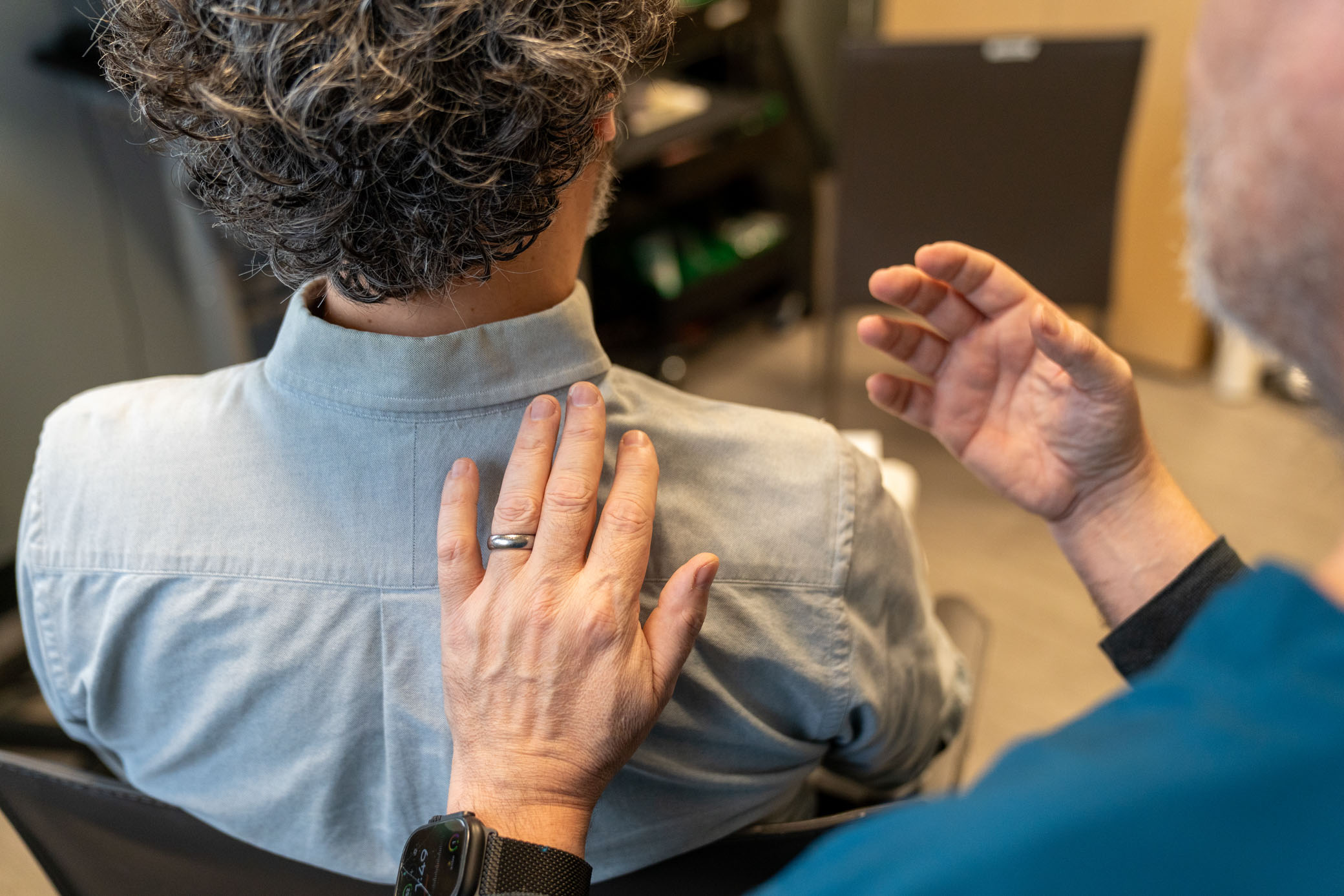
Manual therapy, myofascial release (hydrostatic IMS), postural retraining, and progressive strengthening to restore normal cervical mechanics and reduce headache and dizziness from neck dysfunction.
Vestibular Rehabilitation
Targeted eye movement exercises, gaze stabilization, balance training, and gradual exposure to motion. Vestibular PT directly addresses dizziness, visual strain, and motion sensitivity.
Cognitive Strategies
Graded return to cognitive activities, energy management, pacing strategies, and sleep hygiene. Cognitive behavioral approaches help patients understand symptoms and build confidence in gradual reactivation.
Autonomic Regulation
Breathing exercises, stress management, sleep optimization, and graded aerobic exercise to restore normal baseline arousal and improve energy reserves.
Pain Neuroscience Education
Understanding that persistent symptoms don't mean ongoing brain damage. Education reduces fear, builds confidence in activity, and prevents catastrophic thinking that amplifies symptoms.
Coordinated Care
Working with physical therapists, vestibular specialists, neuropsychologists, and primary care to deliver a single coherent treatment plan. Conflicting messages from different providers maintain the threat response.
What Recovery Looks Like
Once the self-reinforcing loop between tissue dysfunction and nervous system threat response is interrupted, recovery progresses steadily.
Early signs of improvement: Better sleep, reduced headache frequency, improved tolerance for cognitive tasks and screen time, decreased dizziness with movement.
Progressive gains: Energy and cognitive endurance improve, light and noise sensitivity decrease, emotional regulation stabilizes, confidence in activity returns.
The goal isn't to eliminate every symptom overnight. It's to establish a trajectory of steady improvement that builds momentum as multiple systems recalibrate together.
Key Understanding: Post-concussion syndrome persists not because of ongoing brain injury, but because cervical, vestibular, autonomic, and psychological factors create a self-reinforcing cycle. Coordinated treatment addressing all contributing factors allows the system to reset and recovery to proceed.
Ready to Address Persistent Post-Concussion Symptoms?
Let's work together to identify which factors are maintaining your symptoms and coordinate treatment to interrupt the cycle and restore function.
Schedule Consultation Call (425) 678-2044